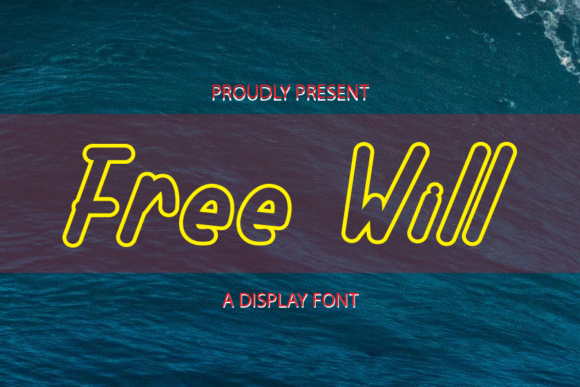
Free Will Typeface: A Handwritten Font for Modern Craft Branding
I was staring at a blank canvas on my screen, trying to decide between three different script fonts for a set of minimalist candle labels. The wax was amber-colored, the jar was clear glass, and the vibe I wanted was clean but with a touch of personality. I didn’t want something overly ornate or Victorian; I wanted something that felt like it had been written by hand but still looked professional enough for a boutique shelf. That is when I stumbled upon Free Will, a handwritten font from Script Amp that immediately clicked with the aesthetic I was chasing.
If you are a crafter, a handmade seller, or a printable creator who values authenticity in your brand identity, you know how hard it is to find a typeface that balances "quirky" with "clean." Free Will does exactly that. It isn’t just another generic brush script; it has a modern style that feels intentional. When I applied it to my mockups, the letters didn’t look forced. They flowed naturally, offering a little bit of character without overwhelming the design. For anyone looking to elevate their product presentation, understanding how this creative font works in real-world applications can make a huge difference in how your shop stands out.
Why Free Will Fits the Handmade Aesthetic
The visual personality of Free Will is defined by its balance. It is a modern typography choice that avoids the stiffness of traditional serif fonts while steering clear of the chaotic energy found in some casual handwritten fonts. This makes it incredibly versatile for small business owners who need one font to do heavy lifting across multiple platforms.
When I first tested Free Will on a digital download template for a wedding welcome board, the contrast between the fluid strokes and the structured spacing created an elegant editorial feel. It reads as premium without feeling stuffy. For makers selling physical goods, this perception of quality is crucial. Customers often judge the value of a handmade item based on its packaging and branding materials. Using a polished yet approachable typeface like Free Will signals attention to detail. It suggests that the care put into the lettering matches the care put into the product itself.
This font shines brightest when used for short phrases, names, titles, and decorative wording. It is not designed for long paragraphs of body text, which is common for most display fonts. Instead, think of it as a star player for headlines. Whether you are designing a logo for a local bakery, creating a quote graphic for Instagram, or adding a personal touch to a greeting card, Free Will adds a layer of emotional appeal that connects with buyers on a human level.
Real-World Applications for Makers and Sellers
One of the best things about Free Will is its adaptability across different mediums. As someone who switches frequently between designing printables and preparing physical merchandise, I appreciate a font that translates well from screen to paper. Here is how I have seen it come to life in various crafting scenarios:
- Candle and Soap Labels: The clean lines of Free Will pair beautifully with natural textures. On a kraft paper label for a soy candle, the font looks rustic yet refined. It doesn’t compete with the product image but complements it perfectly.
- Greeting Cards and Stationery: For birthday invitations or thank-you notes, the quirky nature of the handwriting adds warmth. It feels personal, as if the sender took time to write each word, even when printed.
- Boutique Tags and Packaging: Small hang tags benefit from concise, impactful text. Free Will allows you to fit a brand name or a short message like "Handmade with Love" clearly and stylishly without needing excessive size adjustments.
- Seasonal Products: During holidays, branding needs to shift quickly. Free Will works well for festive themes, whether it’s a spooky Halloween sign or a cozy Christmas mug design, because its modern base keeps it from looking dated.
- Digital Printables and Planners: If you sell planner pages or wall art, Free Will serves as an excellent header font. It draws the eye to key sections like "Weekly Goals" or "Daily Affirmations," making the functional parts of the design visually engaging.
I also used Free Will for a series of tote bag designs where the text needed to be legible from a distance. Because the font has distinct letterforms, it remains readable even when scaled up for large format printing. This is vital for Cricut and Silhouette users who cut vinyl for shirts and signs. The curves and angles hold up well under the blade, reducing the risk of broken details during the weeding process.
Design Tips for Maximum Impact
To get the most out of Free Will, it helps to understand its limitations and strengths. Since it is a handwritten font with a modern style, it works best when given room to breathe. Avoid cramming too many words together. Let the quirks of the lettering shine by using generous line spacing and ample white space around the text.
Font pairing is another essential skill for maintaining brand consistency. Free Will pairs exceptionally well with a clean sans serif font for secondary information. For example, you might use Free Will for the main title on a product label and a simple sans serif for the ingredients list or care instructions. This combination creates a hierarchy that guides the customer’s eye. Alternatively, pairing it with a bold display font can create striking contrast for social media graphics or banner ads.
Readability should always be a priority, especially for small stickers and listing images. When designing for mobile viewing, ensure that the text size is large enough to be read on a small screen. Test your designs by zooming out to see how they appear in thumbnail form. If the intricate parts of the handwriting become muddy or illegible, consider simplifying the layout or increasing the stroke weight if available.
Technical Considerations for Commercial Use
Before you start slapping Free Will on all your products, it is important to review the technical specifications provided by Script Amp. Fonts come with specific licenses that dictate how they can be used, especially for commercial purposes. Make sure you check the included styles, alternates, ligatures, and swashes. These features can add variety to your designs without requiring you to switch fonts constantly.
Verify the file formats included in the download. Most modern fonts come in TTF and OTF formats, which are compatible with most design software. If you plan to use the font in cutting machines like Cricut Design Space or Silhouette Studio, you may need to convert the text to outlines or shapes first to ensure the design renders correctly on the machine. Also, confirm the multilingual support if your shop targets an international audience.
Finally, always double-check the commercial font licensing agreement. Some fonts allow unlimited use on physical products, while others may require separate licenses for digital downloads or templates. Understanding these rules protects your business and ensures you are respecting the work of the type designer. By choosing a premium font like Free Will, you are investing in a design asset that can enhance your brand identity and help your handmade items stand out in a crowded marketplace.